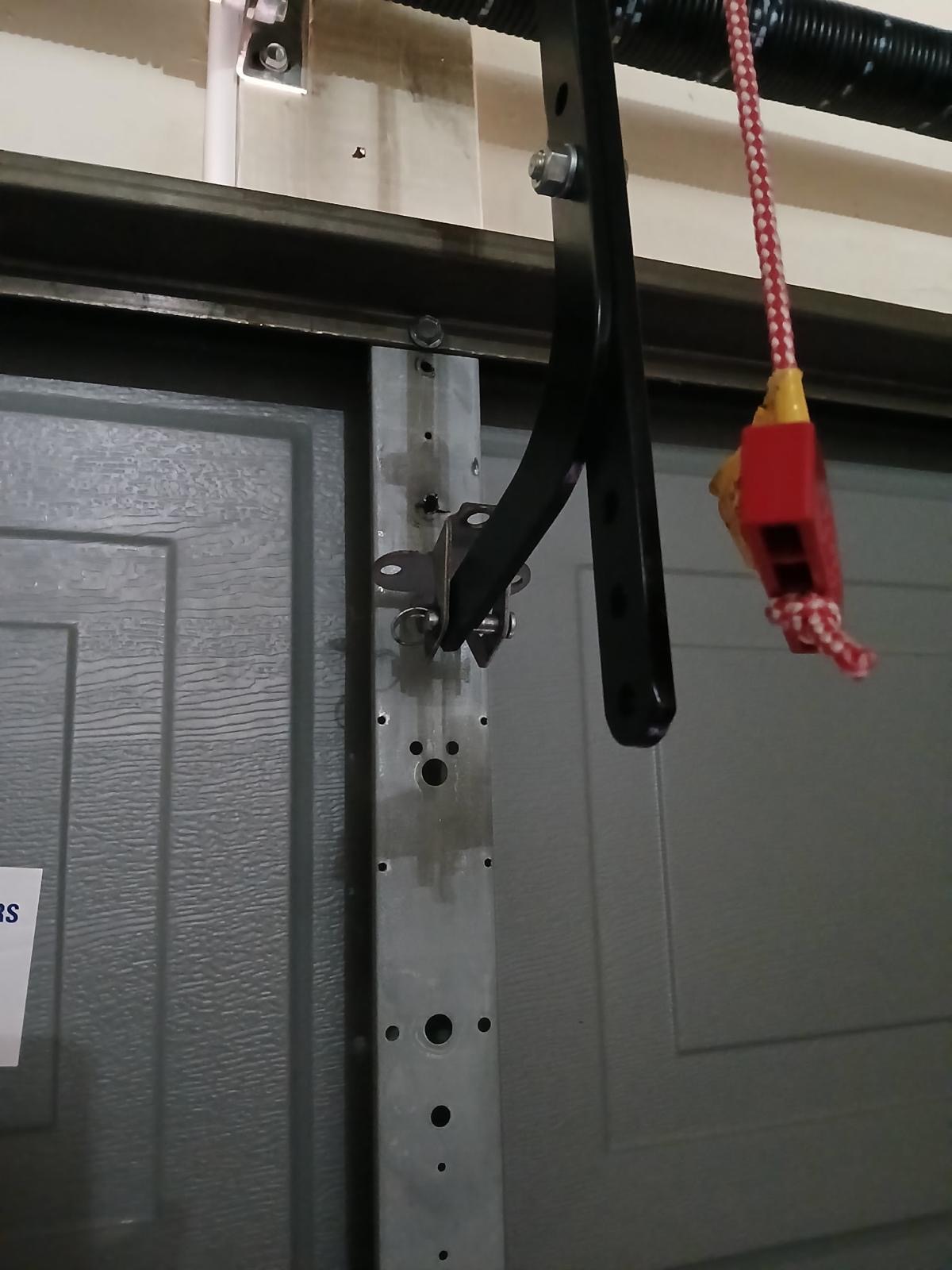
How Industrial-Grade Nylon Rollers Silence and Stabilize High-Traffic Residential Garage Doors
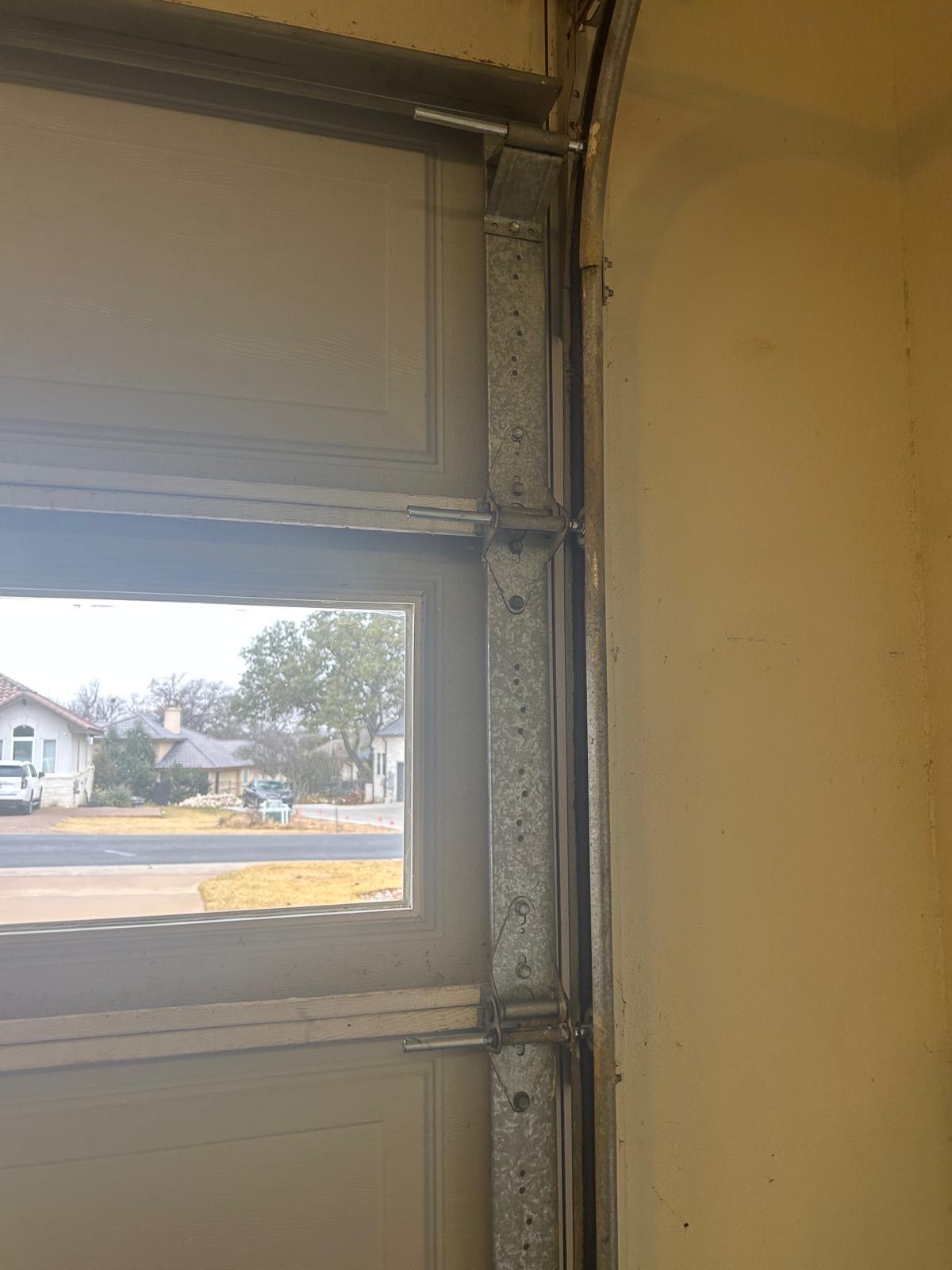
The Mechanical Breakdown of Factory-Standard Steel Rollers

To understand the quiet performance of nylon, you must look at the flaws of standard steel rollers. Most residential installations feature wheels stamped from basic sheet metal with exposed, unsealed ball bearings. As the garage door cycles through shifting weather conditions, these open bearings are exposed to airborne dust, pet hair, and moisture. The factory grease quickly hardens and turns into an abrasive paste, causing the steel bearings to bind, flat-spot, and grind. Instead of rolling smoothly through the track, a worn steel roller slides and drags along the metal rails, creating loud vibrations that echo through your home's framing.

The Material Advantage of Solid Ultra-High-Molecular-Weight Nylon

Premium roller upgrades replace harsh, metal-on-metal contact with solid, high-performance nylon shells. This industrial-grade nylon is celebrated for its low friction coefficient and high impact resistance. Unlike thin plastic wheels that crack under pressure, solid nylon rollers are dense enough to support heavy double-car or insulated carriage-house doors without distorting. As the nylon wheel glides through the steel track, the material naturally dampens structural resonance, acting as a physical shock absorber that drops operational noise levels down by up to seventy-five percent compared to legacy steel hardware.

Sealed 13-Ball-Bearing Systems for Flawless Longevity

The real engineering secret behind a high-cycle nylon roller sits right at its center core. While standard rollers feature open 7-ball architectures, premium nylon variants house a precision-machined, 13-ball-bearing steel matrix that is completely sealed within a protective casing. This sealed design locks vital lubrication inside while keeping abrasive garage debris out. Because the internal bearings spin with absolute fluid symmetry and zero internal resistance, the roller wheel maintains an completely uniform line of travel across tens of thousands of cycles, eliminating the jagged side-to-side wobble that causes tracks to loosen over time.

Easing Motor Load and Protecting Your Smart Opener Calibration

When your garage door rolls through its tracks with minimal friction, the physical workload placed on your automatic opener motor drops significantly. A door equipped with binding steel rollers forces the opener to draw higher amperage to push past physical sticking points, which accelerates wear on internal nylon drive gears and risks overheating the control board. Upgrading to precision nylon rollers ensures the door remains balanced and light. This smooth movement shields your motor from structural strain and allows sensitive safety features, like smart Wi-Fi obstruction tracking, to monitor your threshold with absolute digital precision.

Professional Multi-Point Inspection and Hardware Tuning

While replacing garage door rollers is a straightforward upgrade, the service requires careful execution to guarantee long-term safety. Because the bottom rollers are directly attached to the lower fixtures holding the high-tension lifting cables, unscrewing them without the proper tools and knowledge can cause dangerous injuries. A certified service technician handles this process by securely pinning the torsion system, inspecting the tracks for alignment errors, and replacing worn stems with zinc-plated, rust-resistant commercial rollers. This precise calibration ensures your door runs with a whisper-quiet fluidity that enhances your home’s comfort for years to come.
Explore More

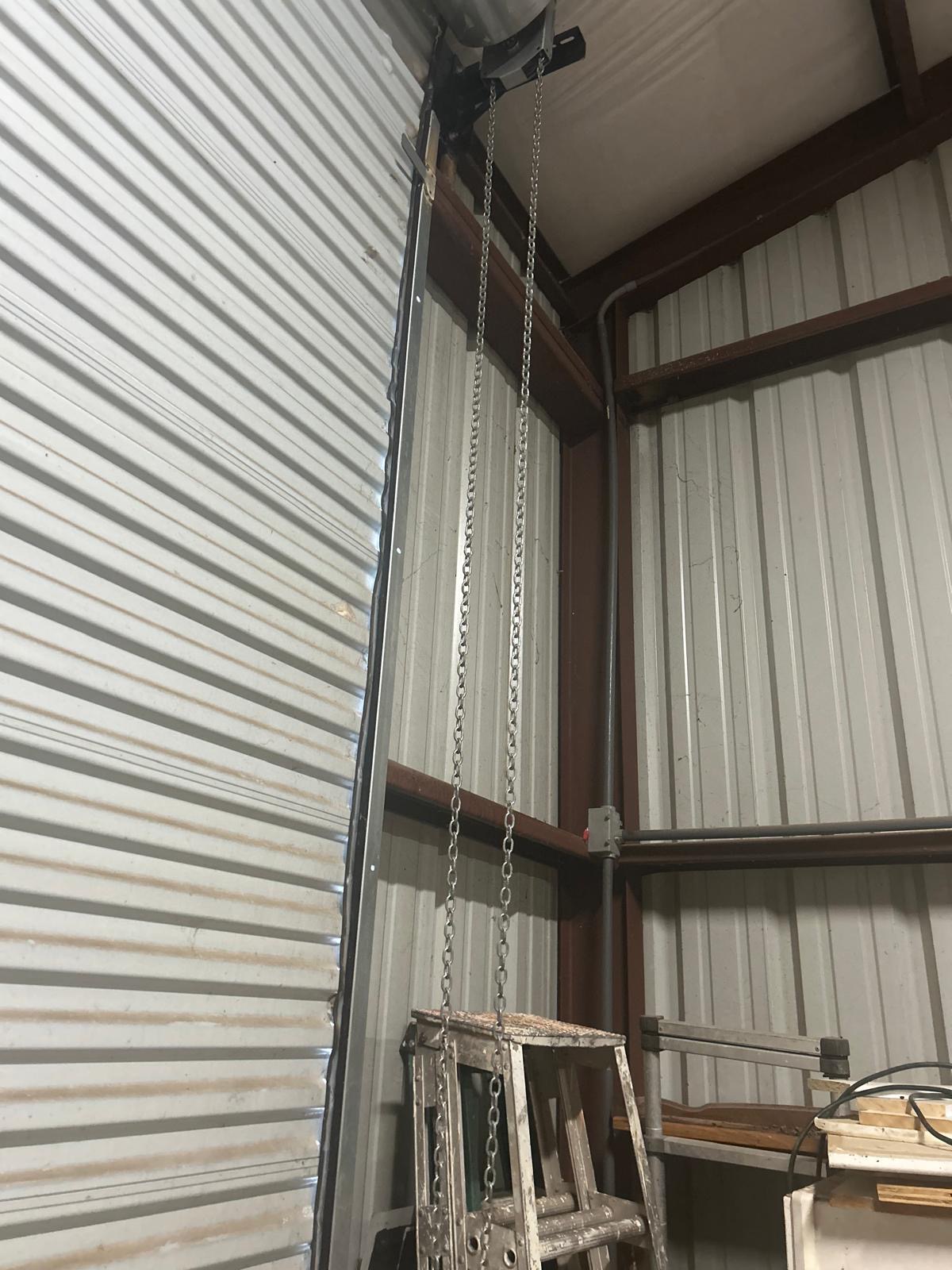
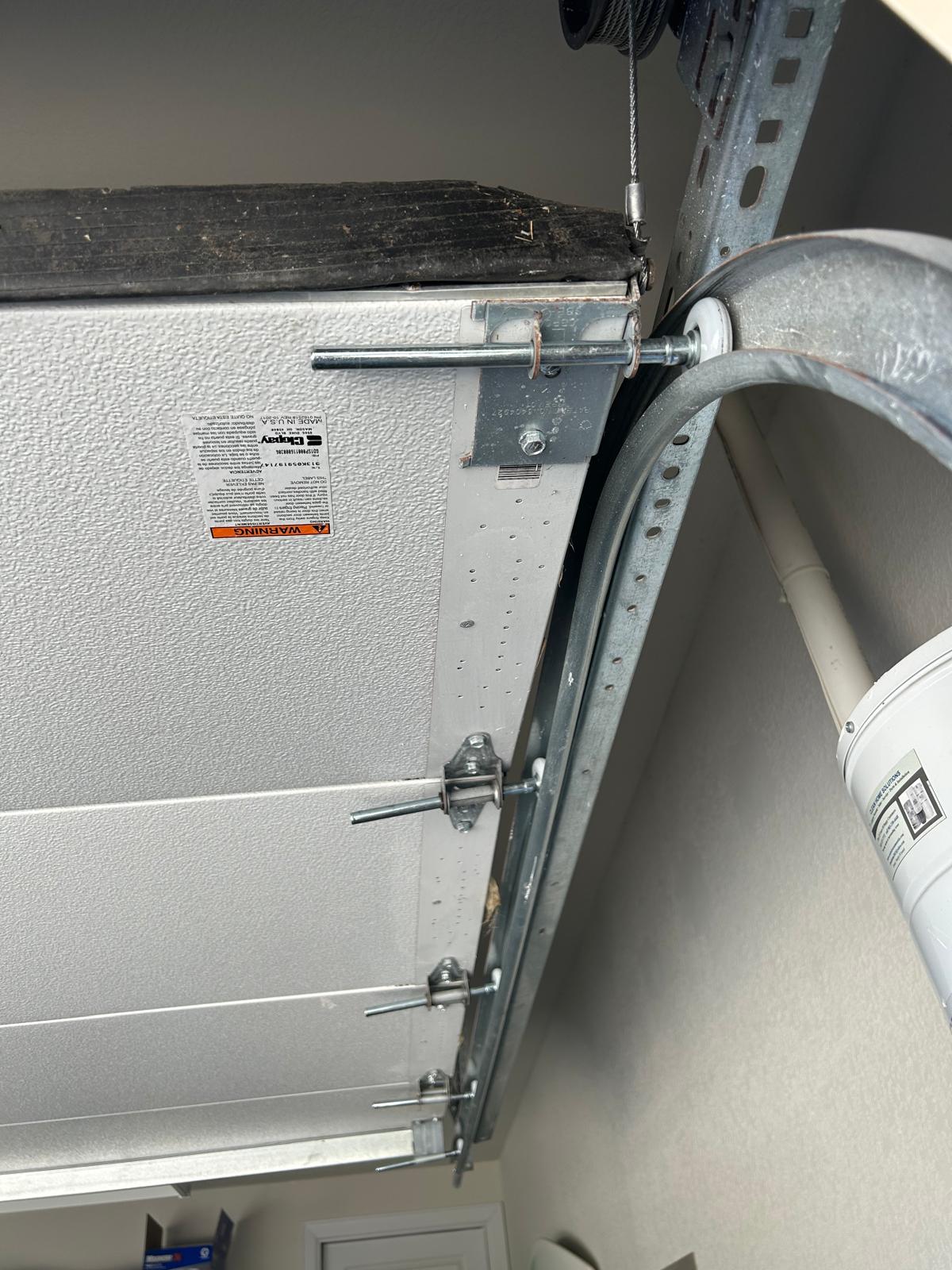
How Low-Headroom Track Configurations Resolve Tight Ceiling Clearances in Modern Garages

The Mechanical Constraints of Standard Radius Tracking To understand how a low-headroom system works, you must look at the geometry of a standard garage door track. A typical residential track features a twelve-inch or fifteen-inch radius curve that transitions the moving door panels from a vertical closed position to a horizontal open position. As the top section of the door begins to turn this corner, it rises significantly above the header level before settling flat along the ceiling rails. If your ceiling lacks the depth to accommodate this high arc, a standard door panel will physically collide with the overhead joists, binding the rolling hardware, straining your automatic opener motor, and scratching your premium door finish. The Double-Track Engineering Matrix for Tight Clearances Low-headroom tracking systems overcome this vertical bottleneck by completely redesigning the overhead rail architecture. Instead of running all rollers through a single tracking channel, a low-headroom configuration utilizes a specialized dual horizontal track system. The lower track manages the bottom and middle door sections exactly like a standard setup. The magic sits in the upper track channel, which handles the top rollers exclusively. By separating the top panel from the rest of the door, this double-track layout allows the top section to glide horizontally immediately, bypassing the high, sweeping arc of traditional configurations and operating smoothly under minimal clearances. Shifting Torsion Assemblies for Optimal Cable Travel Altering the track radius requires a corresponding mechanical shift in how the counter-balance spring system is configured. In a standard installation, the high-tension torsion shaft and aluminum cable drums are mounted directly onto the header wall above the door opening. In ultra-low-headroom environments where there isn't even room for a spring assembly above the header, technicians must deploy a rear-mount torsion configuration. By shifting the heavy springs and cable drums to the extreme back end of the horizontal tracks, the lifting cables are routed in reverse. This clever engineering keeps the high-tension framework completely clear of the ceiling, maintaining perfect door balance without sacrificing safety. Protecting Your Opener Motor from Accelerated Gear Wear Attempting to force a standard door to operate in a tight space without low-headroom hardware places an immense physical workload on your automatic opener. When the top panel binds against a low ceiling, the opener motor must draw excessive electrical amperage to force the rollers past the physical restriction. This persistent structural drag rapidly overheats the motor's control board and shreds the internal nylon drive gears, leading to an expensive electronic breakdown. Upgrading to a smoothly calibrated double-track network removes this physical friction entirely, allowing your automatic system to monitor the threshold with absolute digital precision and minimal amp draw. Precision Digital Alignment and Professional Calibration Because low-headroom configurations involve complex cable routing, custom low-radius bracket positioning, and immense spring tension, the installation process requires advanced technical expertise. A certified service technician must precisely measure the ceiling contours, locate hidden structural joists for track anchoring, and laser-align the dual horizontal rails to ensure the panels transition from vertical to horizontal with absolute symmetry. This meticulous calibration guarantees that your garage door cycles with a whisper-quiet fluidity, maximizing your usable parking space while delivering reliable, long-term threshold protection for your home.
Start