How Low-Headroom Track Configurations Resolve Tight Ceiling Clearances in Modern Garages
The Mechanical Constraints of Standard Radius Tracking
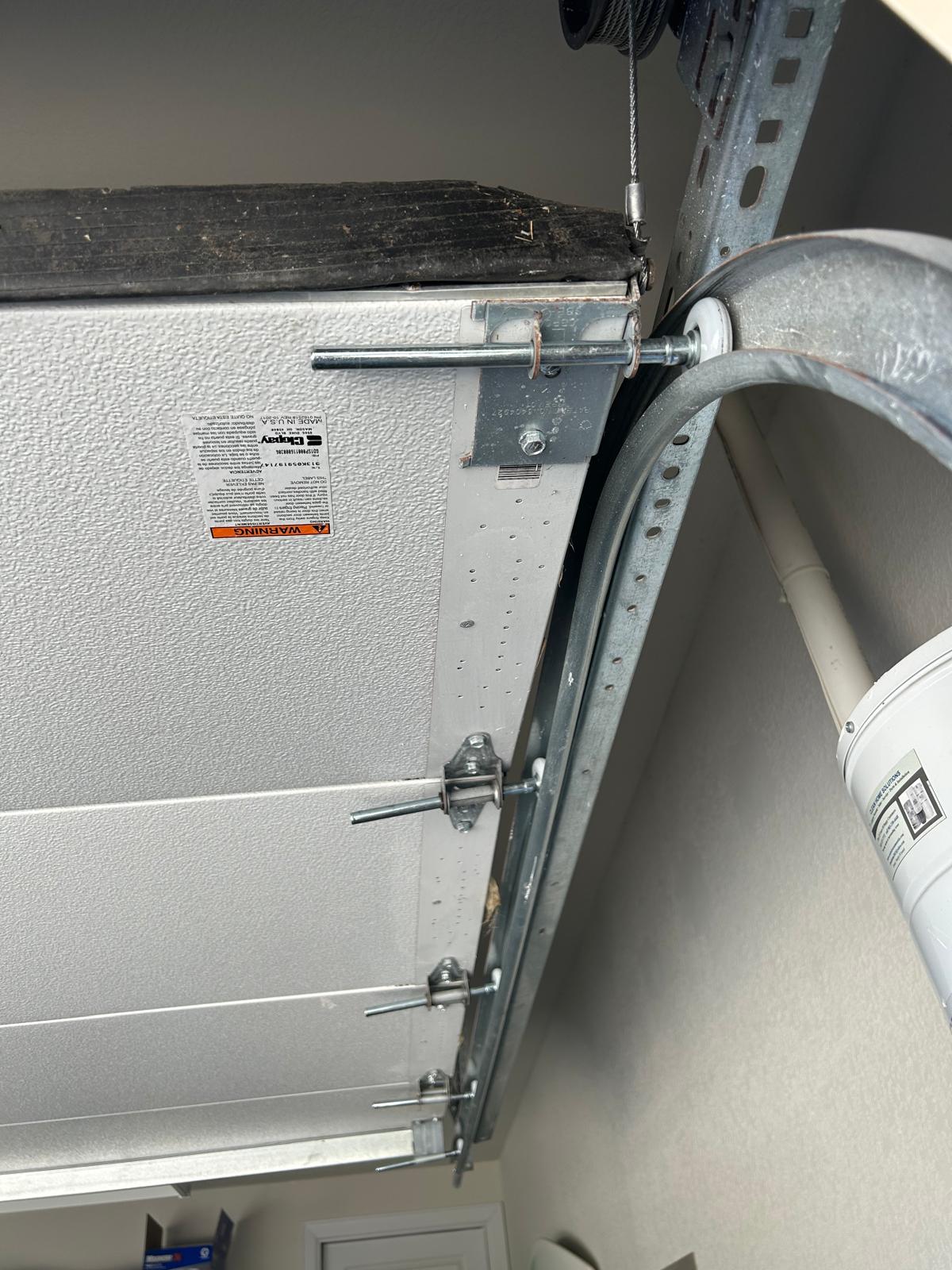
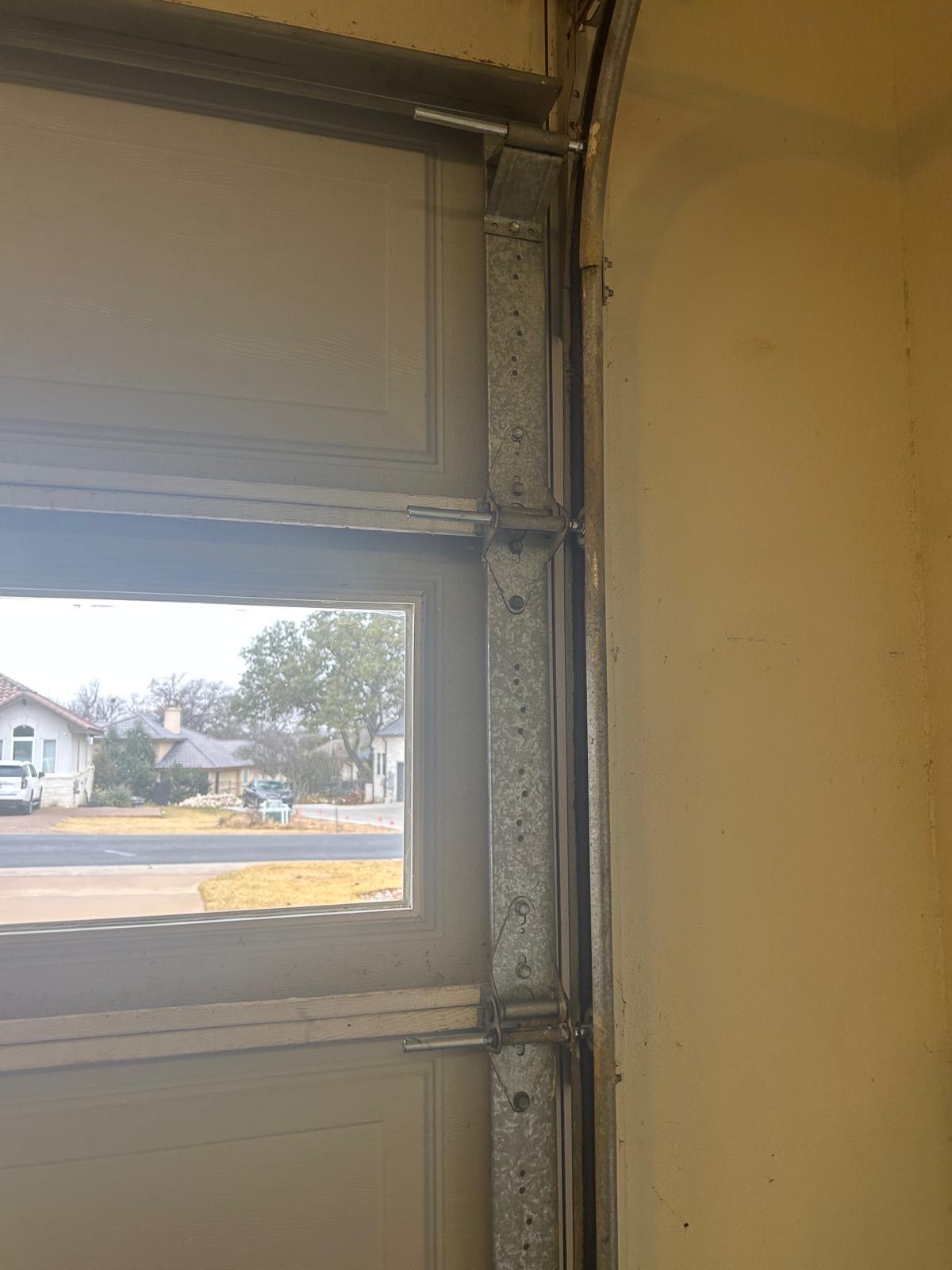
To understand how a low-headroom system works, you must look at the geometry of a standard garage door track. A typical residential track features a twelve-inch or fifteen-inch radius curve that transitions the moving door panels from a vertical closed position to a horizontal open position. As the top section of the door begins to turn this corner, it rises significantly above the header level before settling flat along the ceiling rails. If your ceiling lacks the depth to accommodate this high arc, a standard door panel will physically collide with the overhead joists, binding the rolling hardware, straining your automatic opener motor, and scratching your premium door finish. The Double-Track Engineering Matrix for Tight Clearances
Low-headroom tracking systems overcome this vertical bottleneck by completely redesigning the overhead rail architecture. Instead of running all rollers through a single tracking channel, a low-headroom configuration utilizes a specialized dual horizontal track system. The lower track manages the bottom and middle door sections exactly like a standard setup. The magic sits in the upper track channel, which handles the top rollers exclusively. By separating the top panel from the rest of the door, this double-track layout allows the top section to glide horizontally immediately, bypassing the high, sweeping arc of traditional configurations and operating smoothly under minimal clearances. Shifting Torsion Assemblies for Optimal Cable Travel
Altering the track radius requires a corresponding mechanical shift in how the counter-balance spring system is configured. In a standard installation, the high-tension torsion shaft and aluminum cable drums are mounted directly onto the header wall above the door opening. In ultra-low-headroom environments where there isn't even room for a spring assembly above the header, technicians must deploy a rear-mount torsion configuration. By shifting the heavy springs and cable drums to the extreme back end of the horizontal tracks, the lifting cables are routed in reverse. This clever engineering keeps the high-tension framework completely clear of the ceiling, maintaining perfect door balance without sacrificing safety. Protecting Your Opener Motor from Accelerated Gear Wear
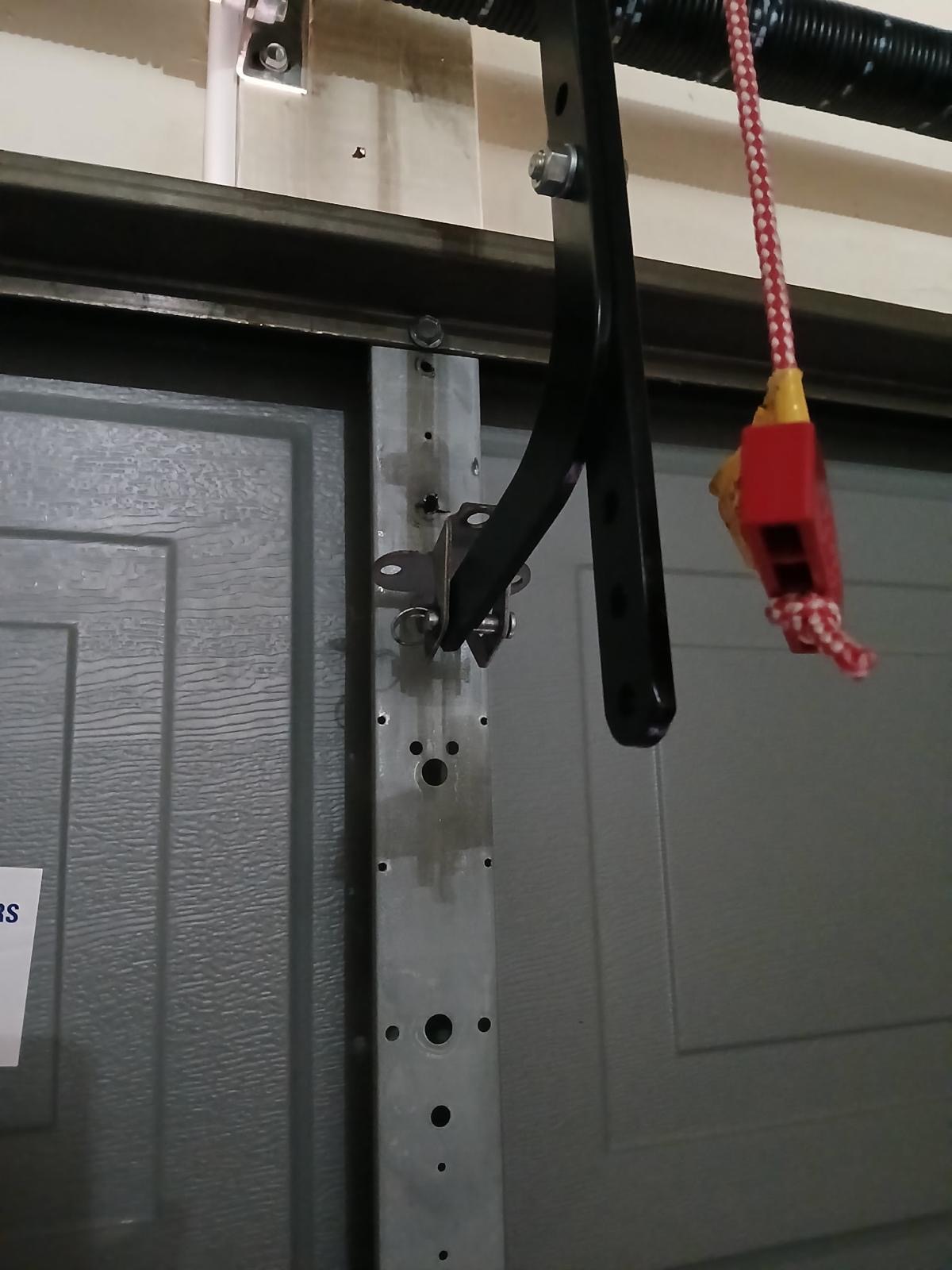
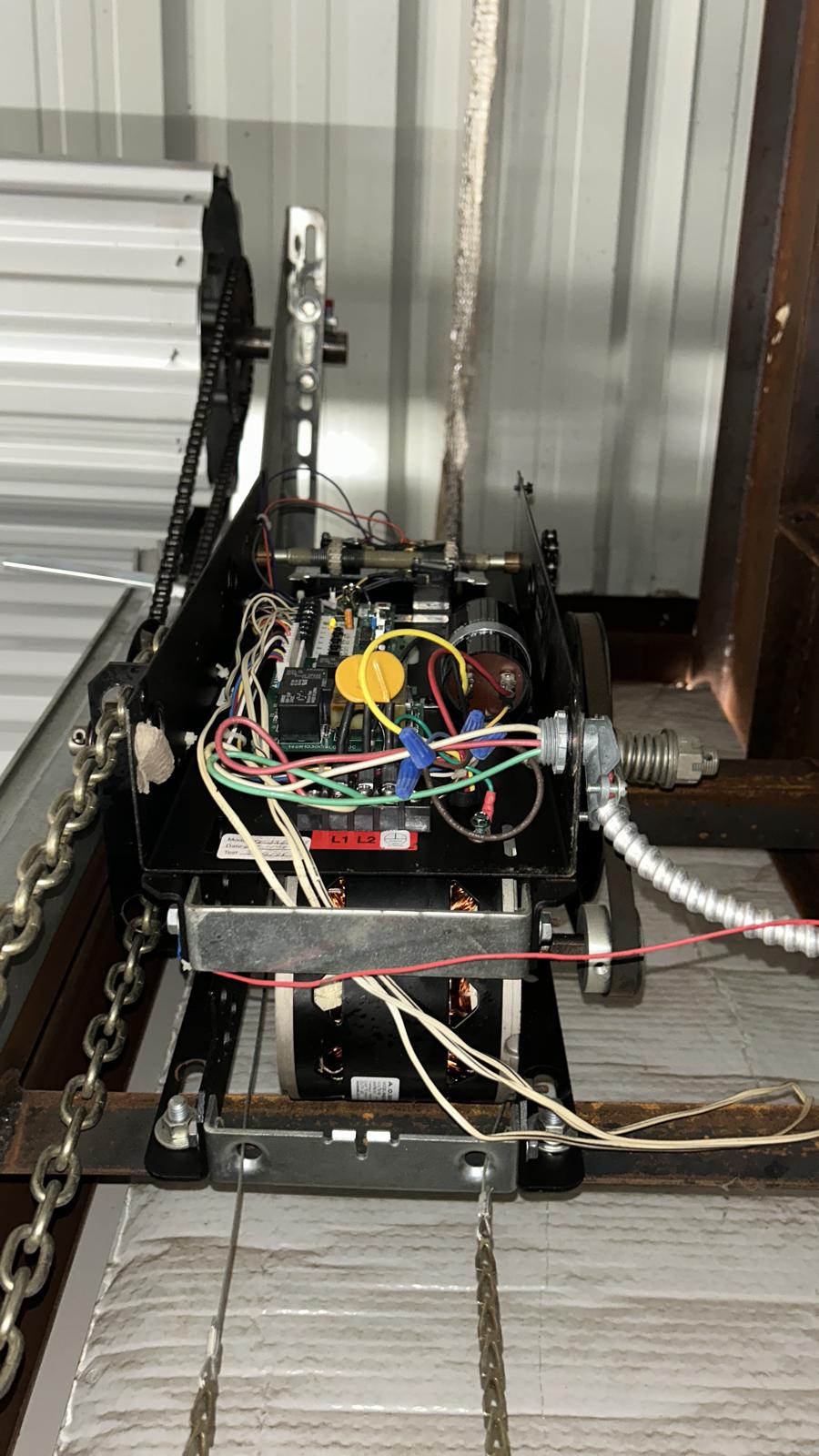
Attempting to force a standard door to operate in a tight space without low-headroom hardware places an immense physical workload on your automatic opener. When the top panel binds against a low ceiling, the opener motor must draw excessive electrical amperage to force the rollers past the physical restriction. This persistent structural drag rapidly overheats the motor's control board and shreds the internal nylon drive gears, leading to an expensive electronic breakdown. Upgrading to a smoothly calibrated double-track network removes this physical friction entirely, allowing your automatic system to monitor the threshold with absolute digital precision and minimal amp draw. Precision Digital Alignment and Professional Calibration
Because low-headroom configurations involve complex cable routing, custom low-radius bracket positioning, and immense spring tension, the installation process requires advanced technical expertise. A certified service technician must precisely measure the ceiling contours, locate hidden structural joists for track anchoring, and laser-align the dual horizontal rails to ensure the panels transition from vertical to horizontal with absolute symmetry. This meticulous calibration guarantees that your garage door cycles with a whisper-quiet fluidity, maximizing your usable parking space while delivering reliable, long-term threshold protection for your home.