How Heavy-Duty Torsion Shaft Bearing Plates Prevent Violent Garage Door Binding and Track Jams
The Physics of Rotational Friction and Asymmetric Torque
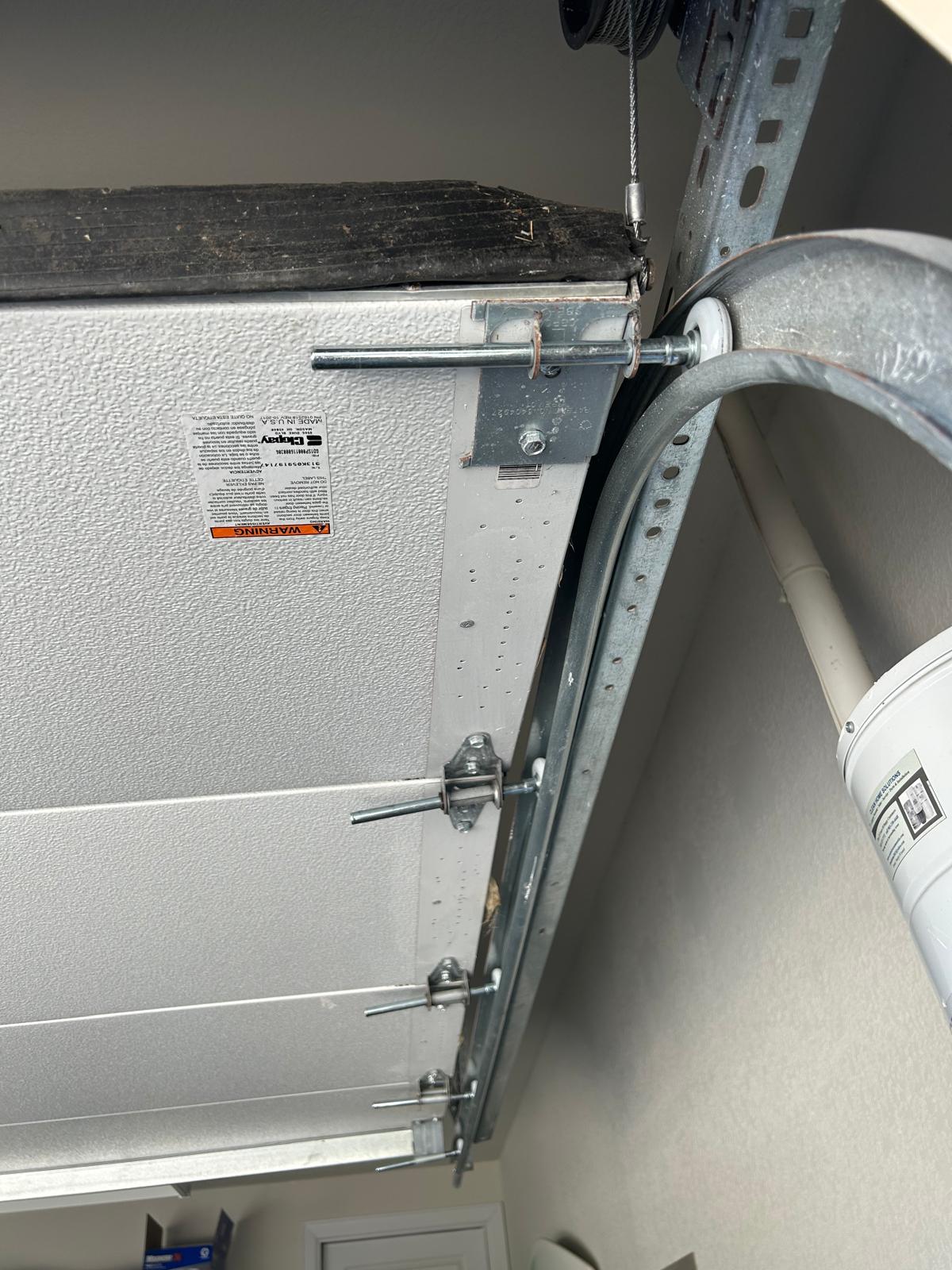
To understand why bearing plates are so critical, you have to look at the immense physical forces acting on the overhead torsion system. When your automatic opener commands the door to cycle open, the tightly wound torsion springs rapidly uncoil, transferring intense rotational energy into the steel shaft. For the shaft to spin flawlessly, it must be held perfectly straight and level. The bearing plates house internal rings of steel ball bearings that cradle the spinning shaft. If these plates become loose or bent, the shaft will flex and warp under load, forcing the steel rod to grind harshly against the frame rather than rotating on a clean center axis.
The Hidden Warning Signs of Bearing Degradation and Metal Shaving
Because bearing plates are tucked away high above the door frame, their gradual breakdown often goes unnoticed until a major component fails. Over years of high-traffic operation, the factory grease packed inside the bearing rings dries out, exposing the moving steel balls to airborne garage dust and moisture. Once lubrication fails, the bearings begin to seize and bind, creating deep grooves along the spinning torsion shaft. Homeowners can check for warning signs by looking for fine black metal shavings accumulation directly beneath the end brackets or listening for a loud, high-pitched metallic squealing sound as the door ascends.
Preventing Sudden Cable Stripping and Track Jams
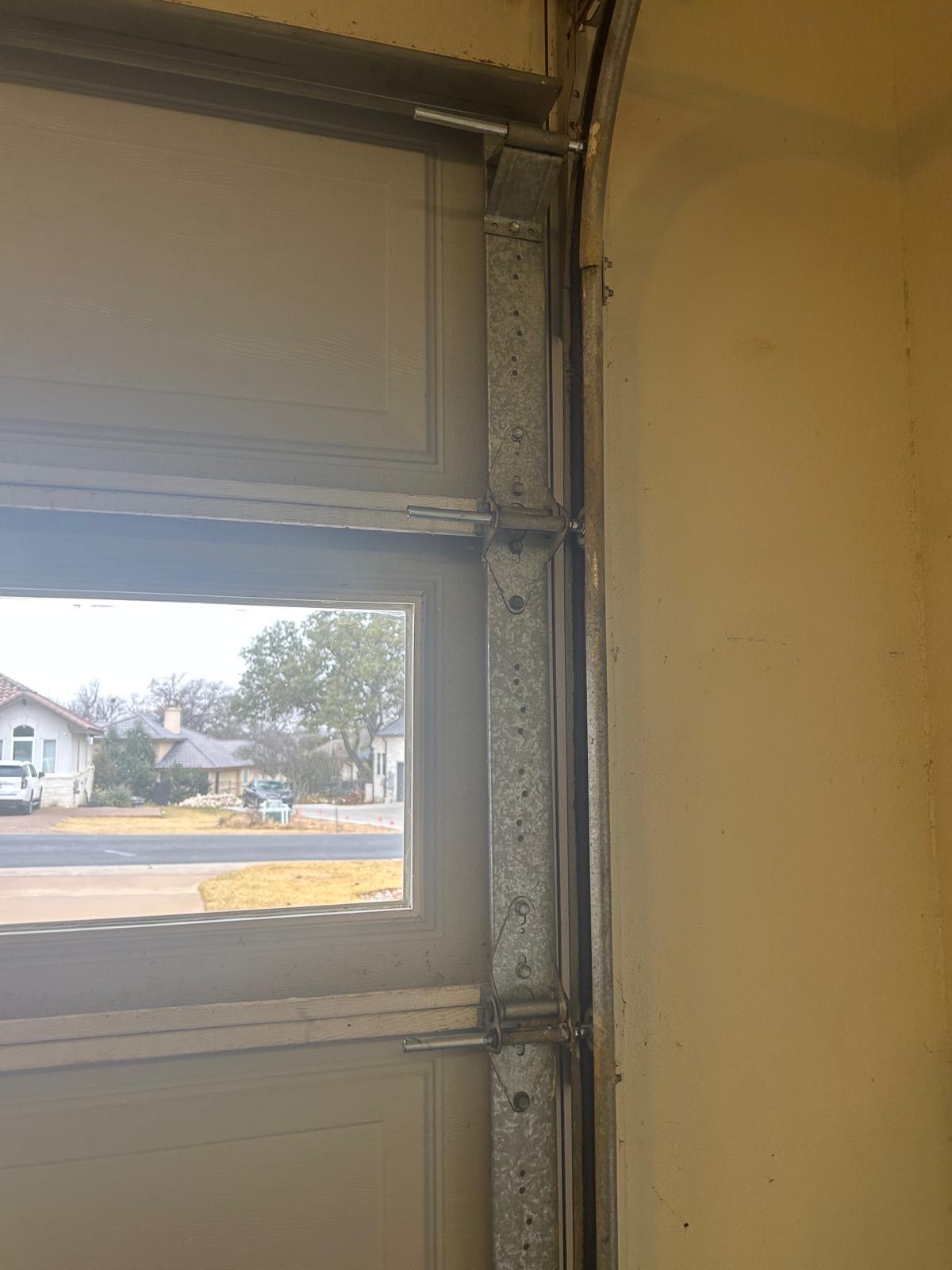
When a torsion shaft bearing freezes completely mid-cycle, the mechanical consequences are immediate and destructive. The sudden physical resistance instantly stops one or both of the aluminum cable drums from spinning, causing the high-tension lifting cables to jump out of their tracking grooves or snap entirely. Because the door's weight is suddenly dropped onto an unbalanced system, the heavy steel panels twist sideways inside the vertical rails. This violent shifting jams the tracking rollers tightly into the steel tracking channels, warping the structural rails, stripping the internal nylon drive gears of your opener motor, and rendering the entire threshold completely inoperable.
Upgrading to Industrial-Grade, Heavy-Gauge Sealed Plates
Standard residential installations are frequently outfitted with thin, 14-gauge unsealed end bearing plates designed for minimal weight capacity. Premium replacement packages replace these fragile components with commercial-grade, 12-gauge hot-dipped galvanized steel bearing plates featuring fully sealed, precision-machined bearing cores. The lower gauge number indicates a significantly thicker, more rigid steel profile that completely resists twisting and bending under load. Because the premium internal bearings are permanently sealed within a protective casing, they lock vital grease inside while keeping abrasive debris out, guaranteeing a lifetime of smooth operation.
Precision Laser Alignment and Professional Structural Service
Because the bearing plates directly support the immense, dangerous tension of the overhead torsion springs, attempting to adjust, lubricate, or replace them as a DIY weekend project poses a severe physical safety risk. Loosening a single fastening bolt while the springs are wound can cause the hardware to tear away with explosive force. A certified service technician handles this complex repair by securely pinning the torsion shaft to isolate the spring forces safely. Every plate is meticulously leveled and laser-aligned to ensure a perfectly straight line of travel, protecting your automatic opener motor from strain and keeping your system safe.