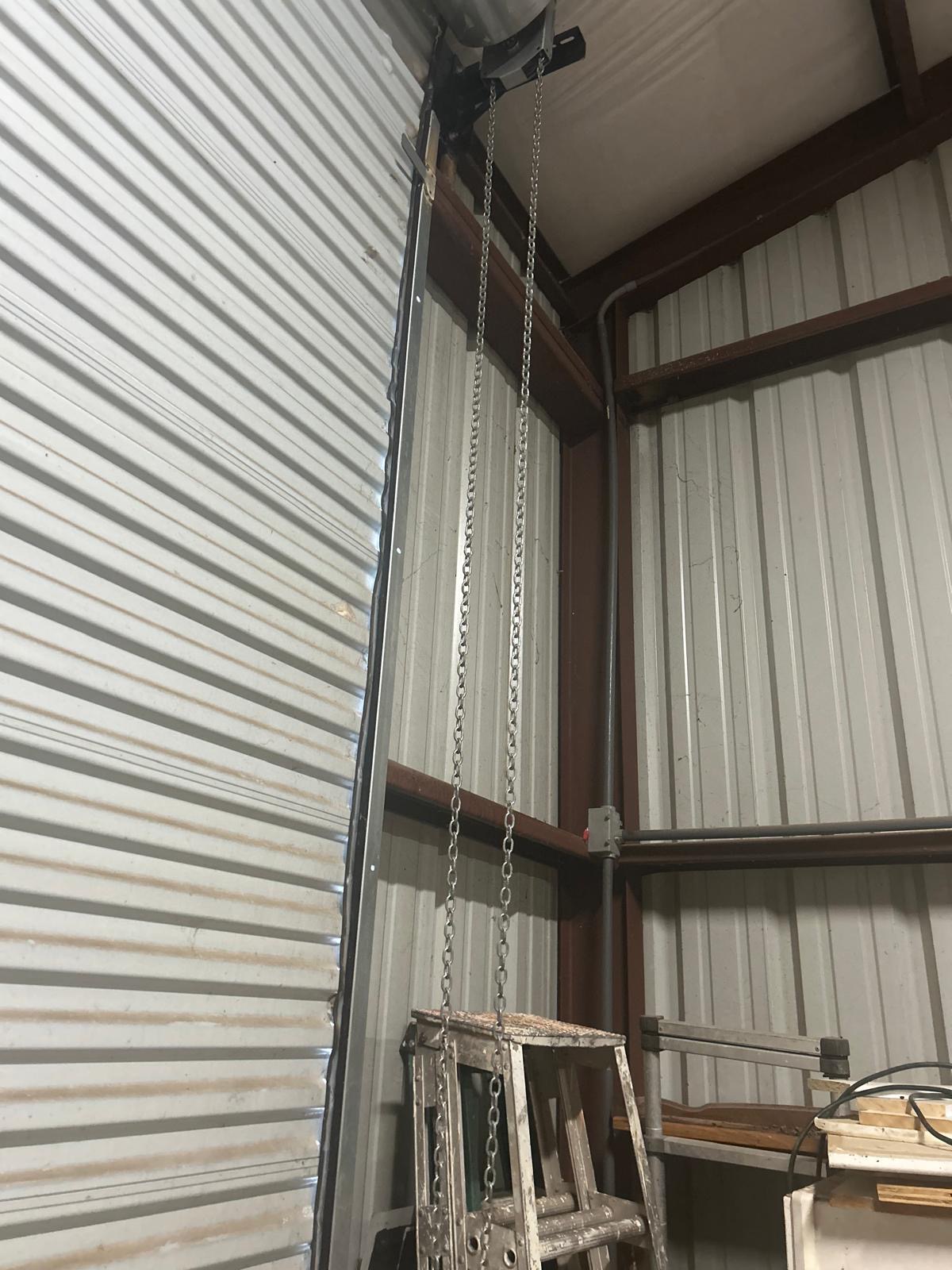
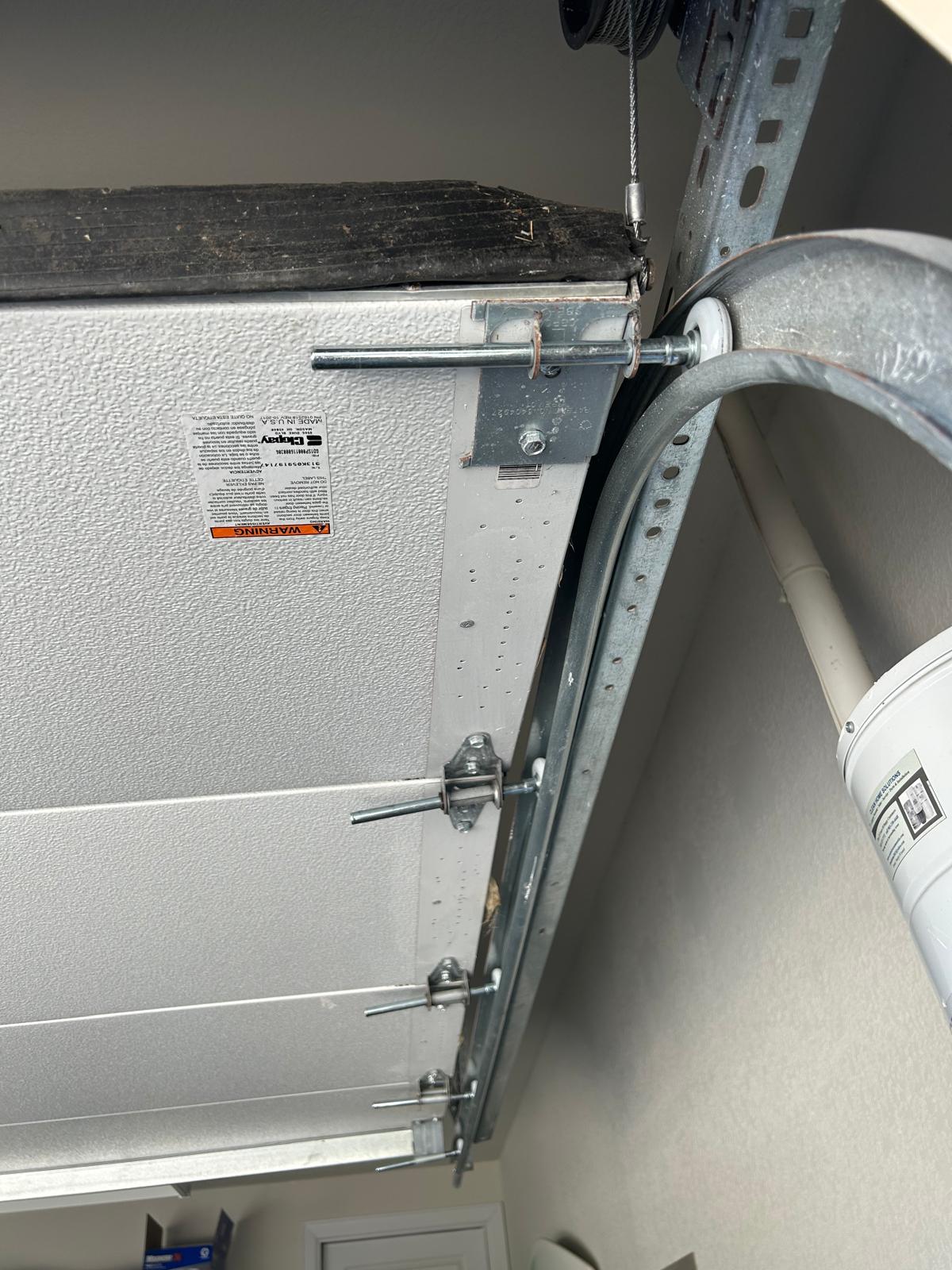
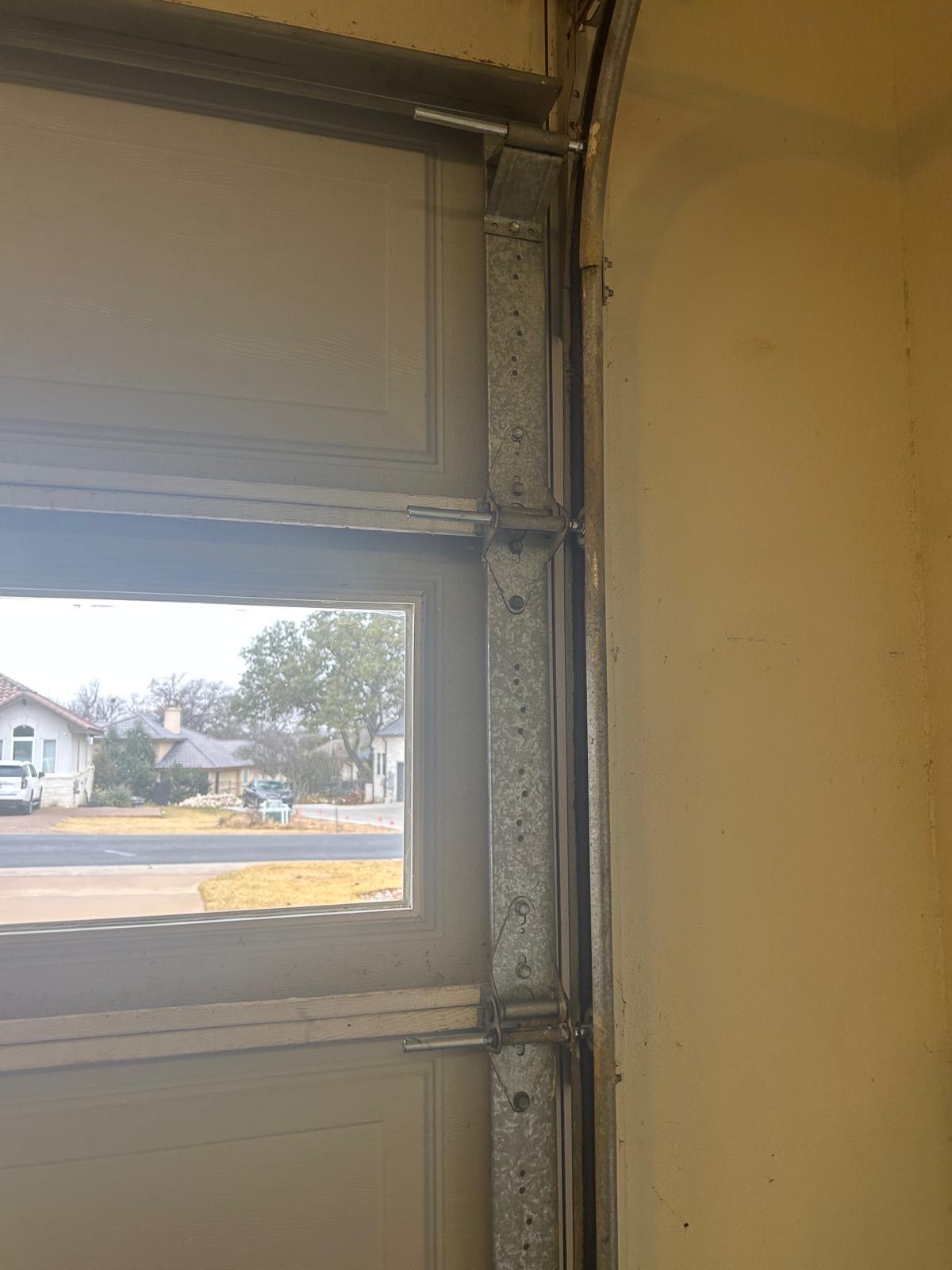
Off-Track Emergency: Why You Should Never Try to Force a Misaligned Garage Door Closed
The Immediate Dangers of Extreme Asymmetrical Weight Distribution
A standard residential garage door weighs anywhere from 130 to over 300 pounds. When the door operates smoothly inside its metal tracks, that weight is evenly counterbalanced by the torsion spring system. However, the moment a single roller pops out of the track assembly, the equilibrium of the entire system is shattered. The door's weight shifts entirely to one side, placing immense, uneven stress on the remaining rollers, the tracks, and the thin steel cables. Attempting to force the door under these conditions can cause it to completely break free from its remaining overhead support brackets, crashing down onto your vehicle, your property, or anyone standing underneath.
How Cable Snaps and Drum Slips Cause the Real Damage
In almost every off-track scenario, the root cause or immediate consequence involves the lifting cables that run along both sides of the door. If a roller binds or if the door strikes an object while closing, the cable on that side can lose tension and unwrap from its aluminum cable drum at the top of the frame. If you attempt to force the door down while a cable is loose or wrapped backward around the torsion shaft, you run the high risk of instantly snapping the steel braided lines. A snapping high-tension cable releases energy with immense force, cutting through nearby objects and causing the door to drop instantly like a guillotine.
Protecting the Automatic Opener from Costly Gear Destruction
Your electric garage door opener is designed to lift and lower a perfectly balanced door, not a jammed, heavy dead weight. If you continue to cycle the automatic motor while the door is physically wedged sideways in the tracks, the internal mechanics will quickly fail. The intense physical resistance causes the motor's internal nylon drive gears to strip instantly under the excessive load, turning a minor track calibration into a complete opener motor replacement. If your door moves crookedly, stops halfway, or makes a loud grinding noise, keep the opener disconnected to shield the internal electronic circuitry from catastrophic damage.
Common Culprits Behind Track Realignment Failures
Understanding why a door jumps its tracks can help you prevent future occurrences. The most common structural triggers include:
- Physical Impacts: Accidentally backing a vehicle into the lower section of the door while it is opening or closing, bending the vertical tracks out of alignment.
- Worn or Broken Rollers: Steel or nylon rollers that seize up due to a lack of regular lubrication, scraping against the metal walls until they jump out of the track curve.
- Loose Mounting Hardware: The heavy vibrations of daily operation loosening the wall brackets and track bolts, causing the rails to spread apart over time.
The Professional Realignment and Balancing Protocol
Safely resetting a garage door that has jumped its tracks requires specialized heavy-duty clamping tools, professional alignment bars, and comprehensive training in high-tension mechanics. A certified technician must carefully secure the entire weight of the door using locking pliers, safely release the intense tension stored inside the torsion spring, and manually unbind the stuck rollers. From there, the technician replaces damaged tracking, re-threads and tensions the lifting cables onto the drums, replaces any flat-spotted rollers, and recalibrates the electronic limits on your opener system to ensure flawless, safe, and balanced performance moving forward.