Garage Door Installation Guide: Everything You Need to Know Before Installing a New Door
Installing a new garage door is more than just a visual upgrade—it’s an investment in your home’s safety, efficiency, and overall value. Many homeowners underestimate how important it is to choose the right door and ensure it is installed correctly. A poorly installed garage door can lead to frequent breakdowns, safety risks, and unnecessary expenses over time.
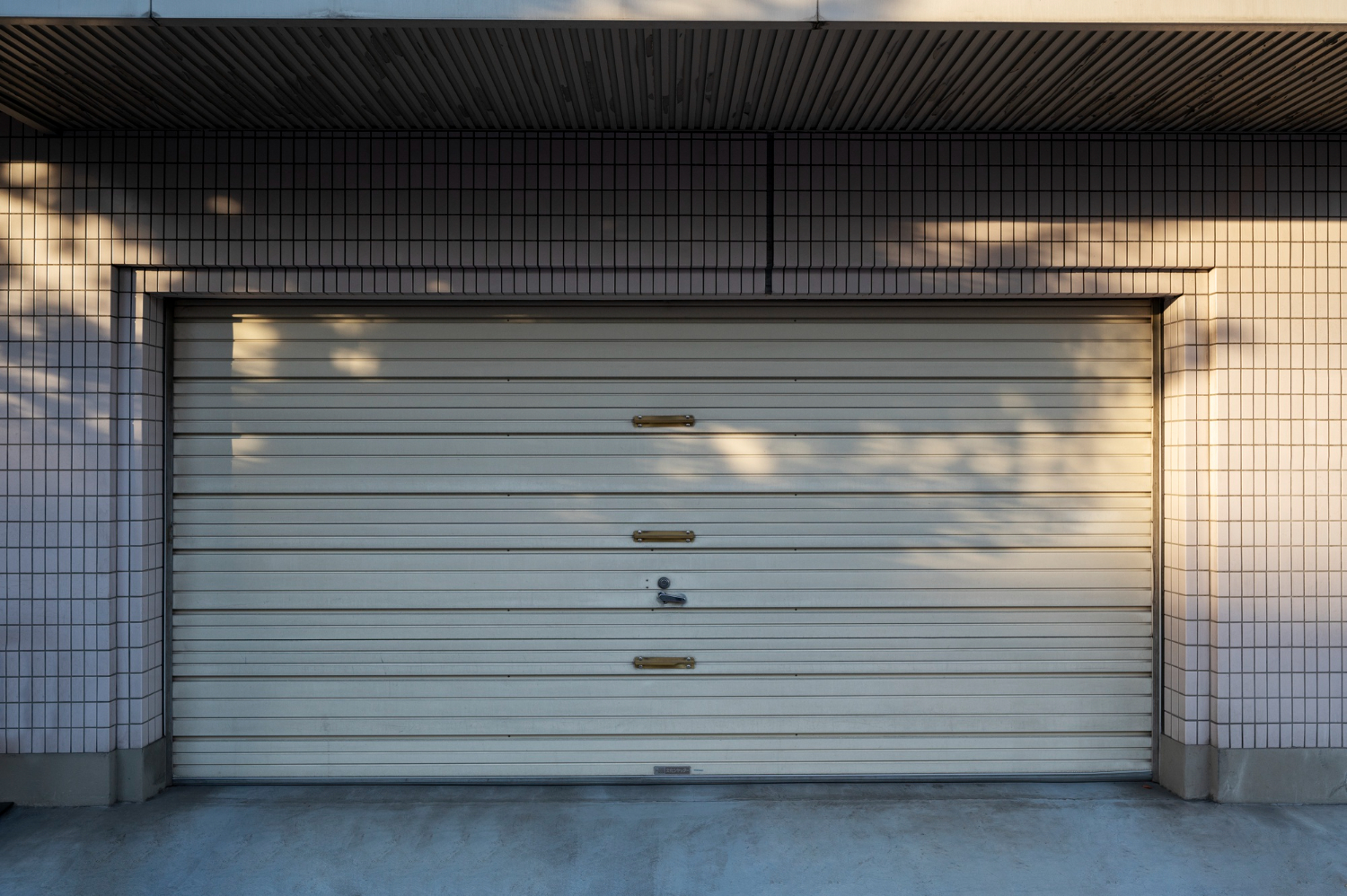
Before starting the installation process, it’s essential to understand the different types of garage doors available. Sectional garage doors are the most popular choice due to their practicality and space-saving design, as they open vertically and slide along tracks. Roll-up garage doors are often used in commercial settings, especially where ceiling space is limited. Meanwhile, side-hinged doors offer a more traditional look, and tilt-up doors provide a simple, single-panel solution, though they require more clearance to operate.
The material of your garage door also plays a crucial role in its performance and durability. Steel doors are widely preferred for their strength and low maintenance requirements, making them ideal for most homes. Wooden doors, on the other hand, offer a premium aesthetic but demand regular upkeep to maintain their appearance. Aluminum doors are lightweight and resistant to rust, while fiberglass options are well-suited for humid or coastal environments where moisture resistance is important.
When it comes to cost, garage door installation can vary significantly depending on several factors, including the type of door, the material, insulation features, and labor fees. On average, homeowners can expect to invest anywhere between $800 and $3,500. While it may be tempting to cut costs by choosing the cheapest option, it’s important to consider long-term reliability and maintenance expenses.
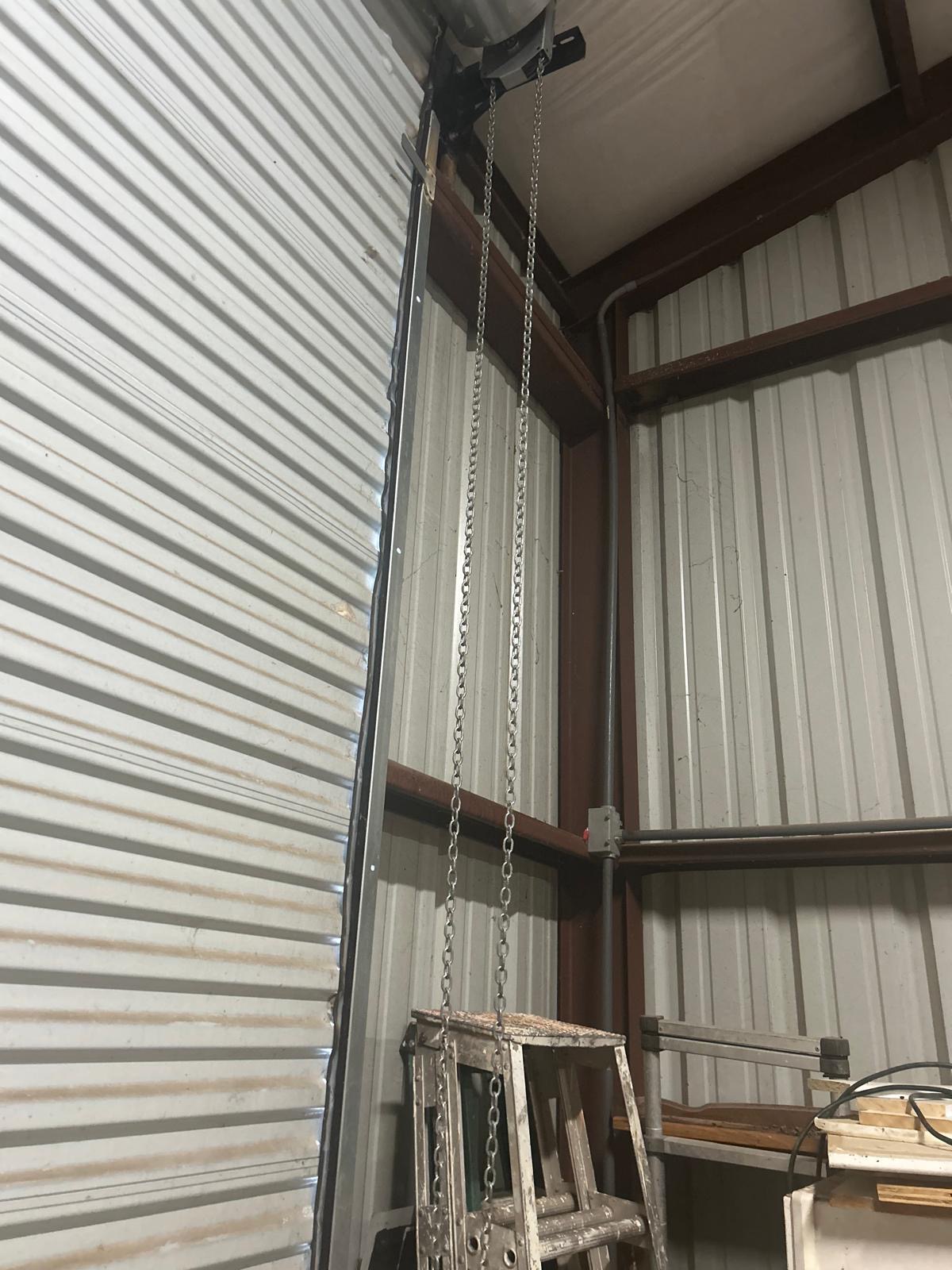
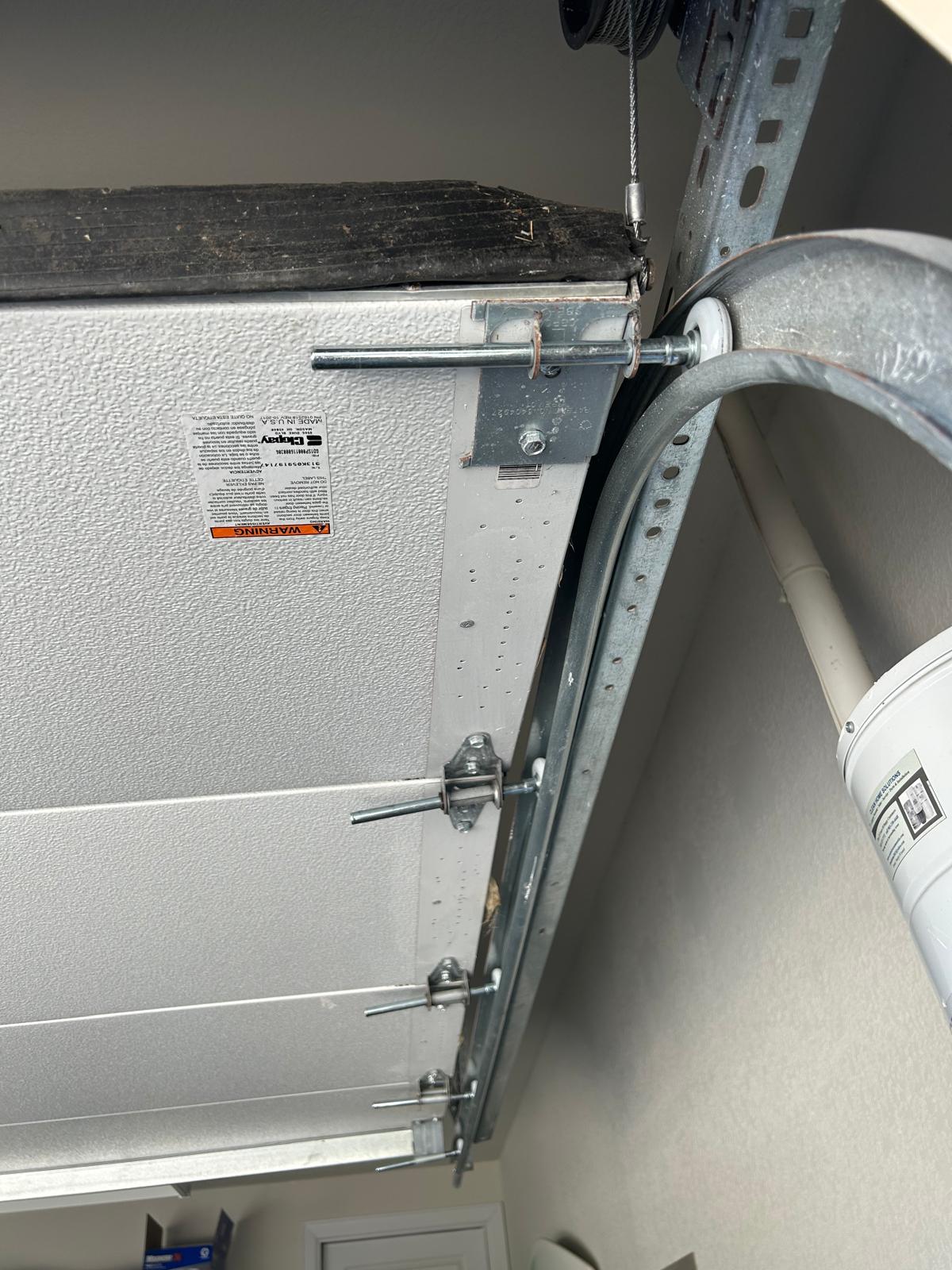
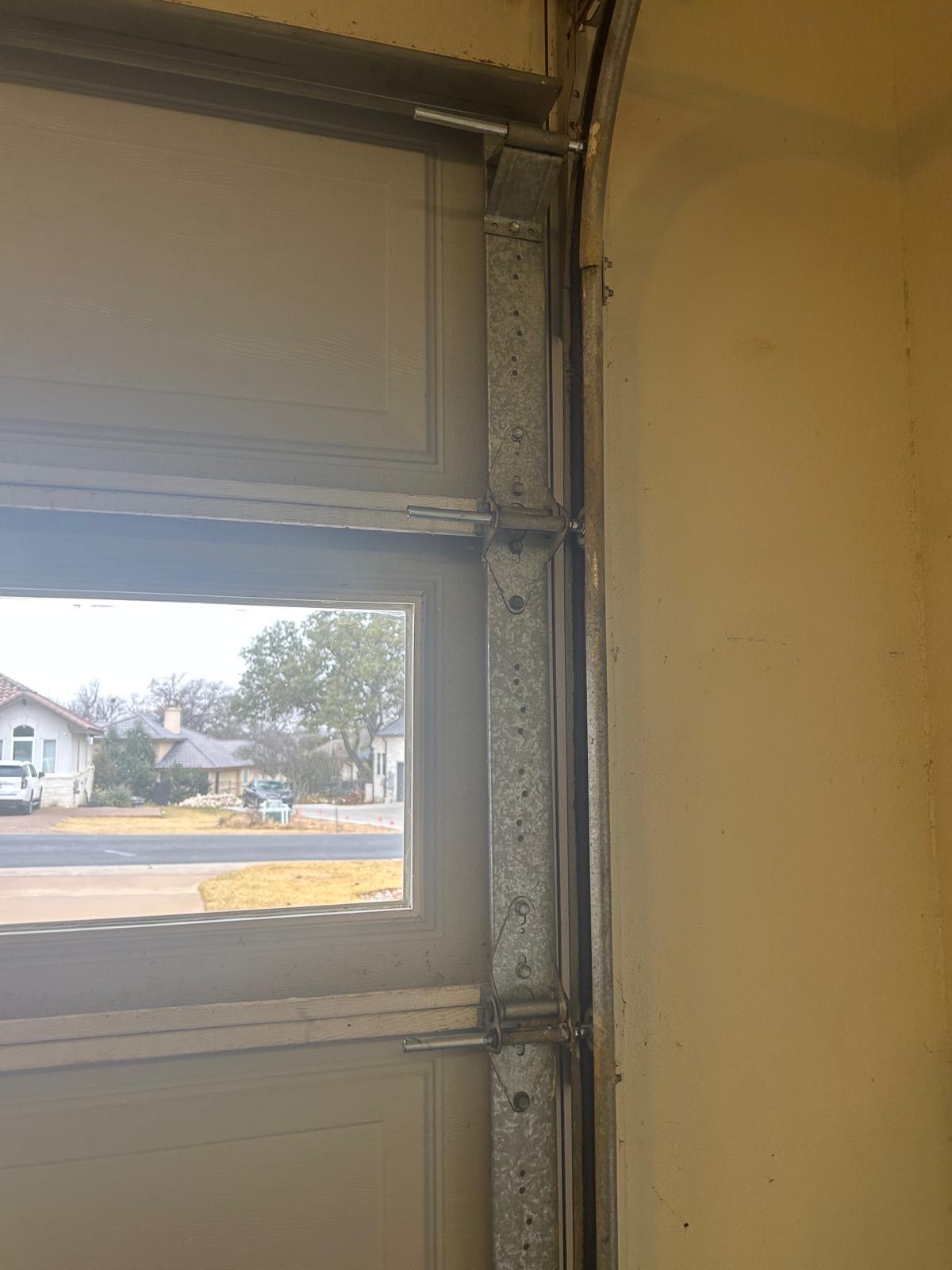
The installation process itself involves several technical steps, starting with the removal of the old door, followed by setting up tracks, assembling panels, and installing springs and cables. The opener system is then connected, and the entire setup is carefully tested to ensure proper balance and safety functionality. Each of these steps requires precision, and even a small mistake can affect the door’s performance.
This is why many homeowners choose professional installation over a do-it-yourself approach. While DIY installation may seem cost-effective at first, it often comes with risks, especially when dealing with high-tension components like springs and cables. Professional technicians have the experience and tools needed to complete the job safely and efficiently, ensuring that the door operates smoothly from day one.
Safety should always be a top priority during garage door installation. These systems are heavy and operate under significant tension, which can be dangerous if handled incorrectly. Improper installation not only increases the risk of accidents but can also shorten the lifespan of the entire system.
Ultimately, choosing the right garage door and ensuring proper installation can make a significant difference in your home’s functionality and appearance. By investing in quality materials and professional service, you can enjoy a reliable, secure, and visually appealing garage door for years to come.