How Low-Headroom Track Transformations Solve Tight Residential Garage Clearances
The Engineering of a Low-Headroom Dual-Track Assembly
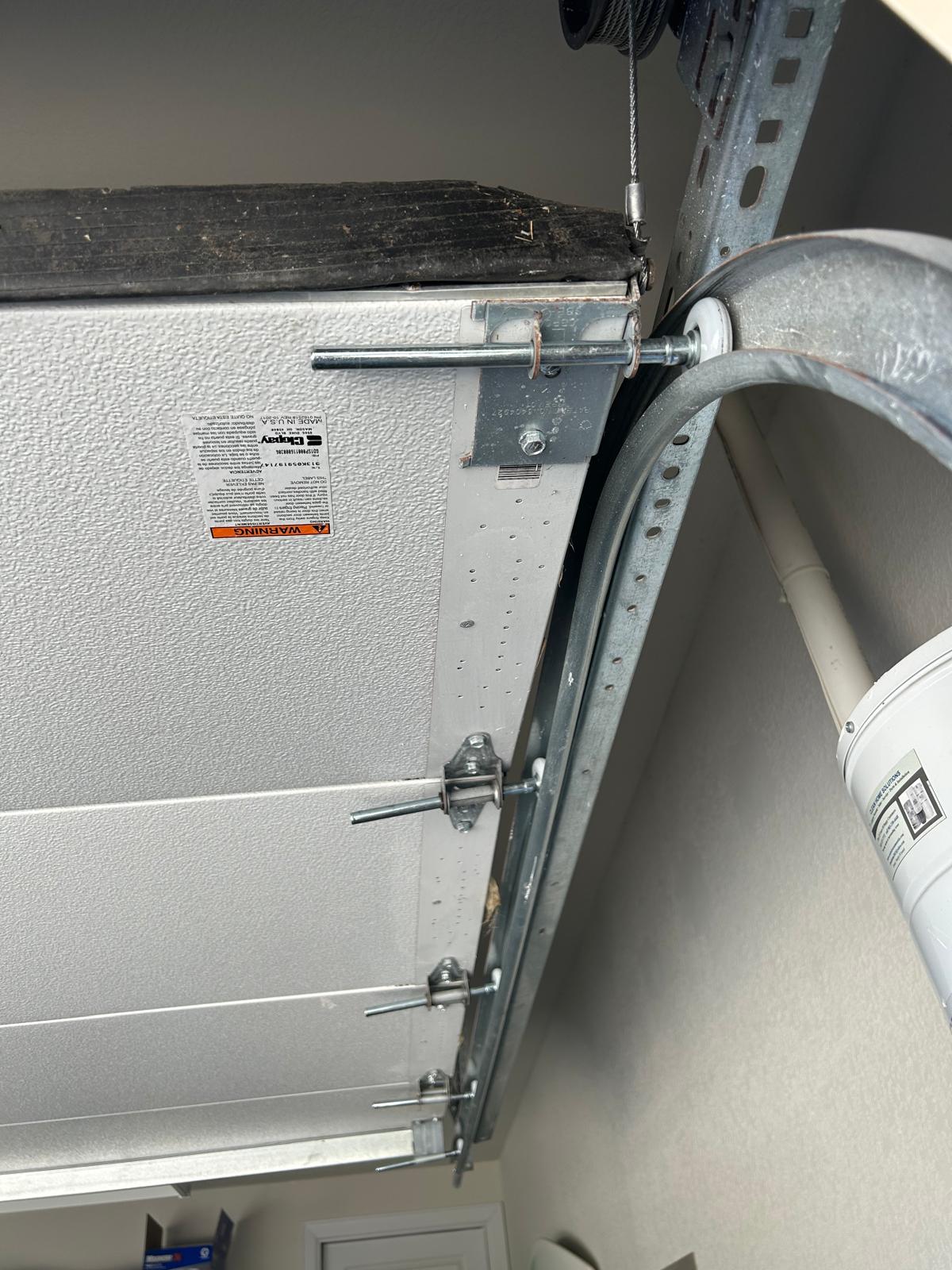
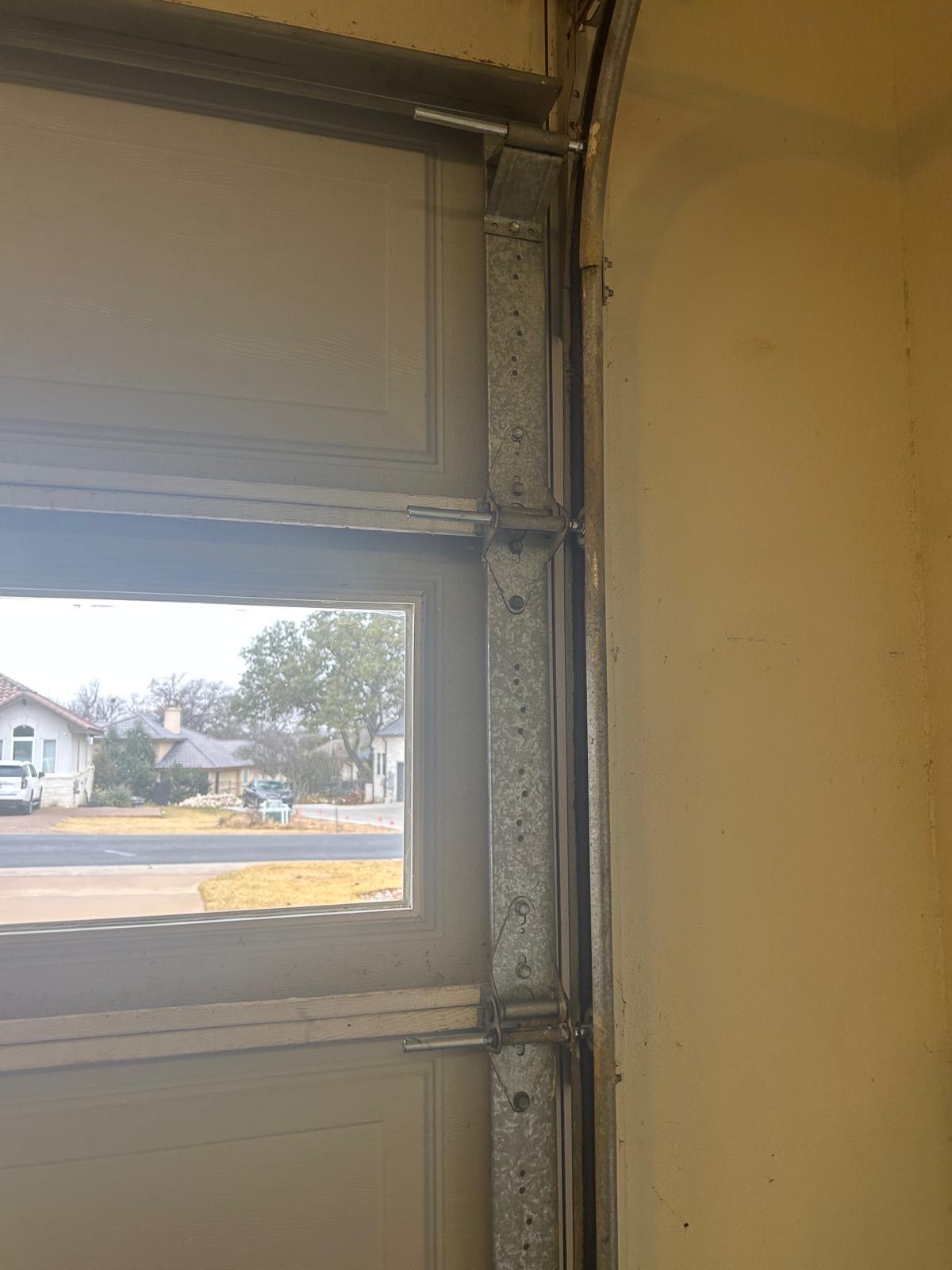
A standard garage door tracking network guides the roller wheels through a single continuous vertical channel that curves gradually into a horizontal run along the ceiling. In a low-headroom configuration, this single rail is replaced with a specialized dual-track system. The lower track manages the bottom and middle sections of the garage door, while an independent upper track is dedicated exclusively to guiding the top door section. By isolating the top panel's path of travel, the system allows the door to immediately transition into a horizontal resting position as soon as it begins to lift, slashing the required overhead clearance down to as little as four to five inches.
Rear-Mount Torsion Spring Relocation Mechanics
Beyond the path of the rollers, the physical hardware that stores the lifting power—the torsion spring assembly—demands substantial overhead space. In a standard setup, this heavy steel spring is mounted directly on the wall above the center of the door opening. When vertical clearance is severely restricted, technicians execute a hardware relocation strategy, moving the torsion shaft, springs, and cable drums to the very rear of the horizontal tracks. This rear-mount engineering alters the physics of the lift, pulling the door from the back of the room rather than lifting it from the front wall, safely clearing the bottleneck at the entryway.
Preserving Structural Clearance for Modern Vehicles and Storage
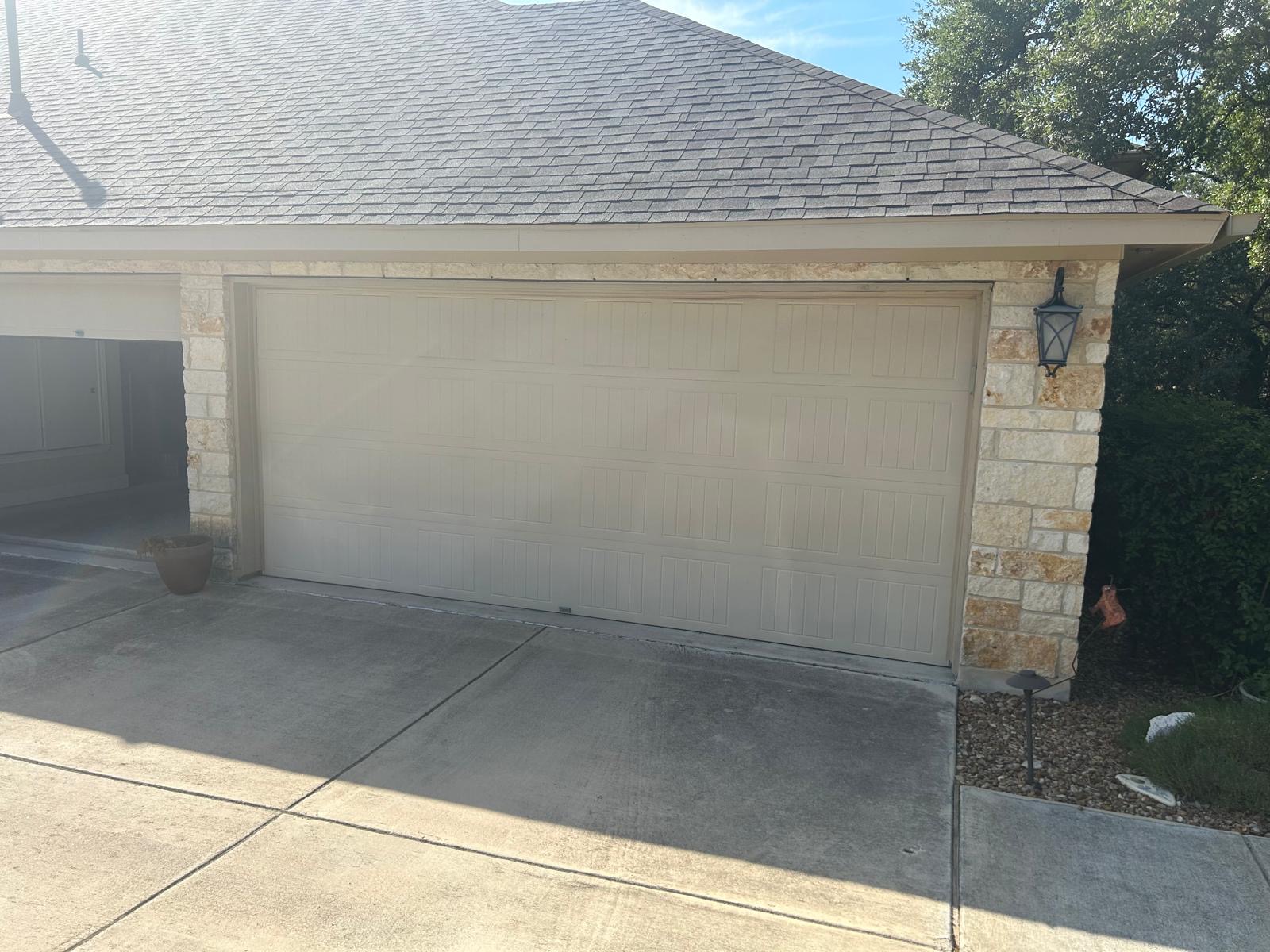
Opting for a low-headroom transformation provides a major practical payoff: it maximizes the functional drive-in clearance of your garage opening. Forcing a standard door into an inadequate space often requires down-sizing the height of the door or dropping the top header, which permanently restricts the opening. By utilizing a low-headroom track, you can install a full-height door that retracts completely out of the path of travel. This ensures that tall SUVs, trucks with roof racks, and utility vehicles can pass through cleanly without risking a costly physical collision with the bottom edge of a sagging garage door.
Selecting and Integrating the Right Automated Opener
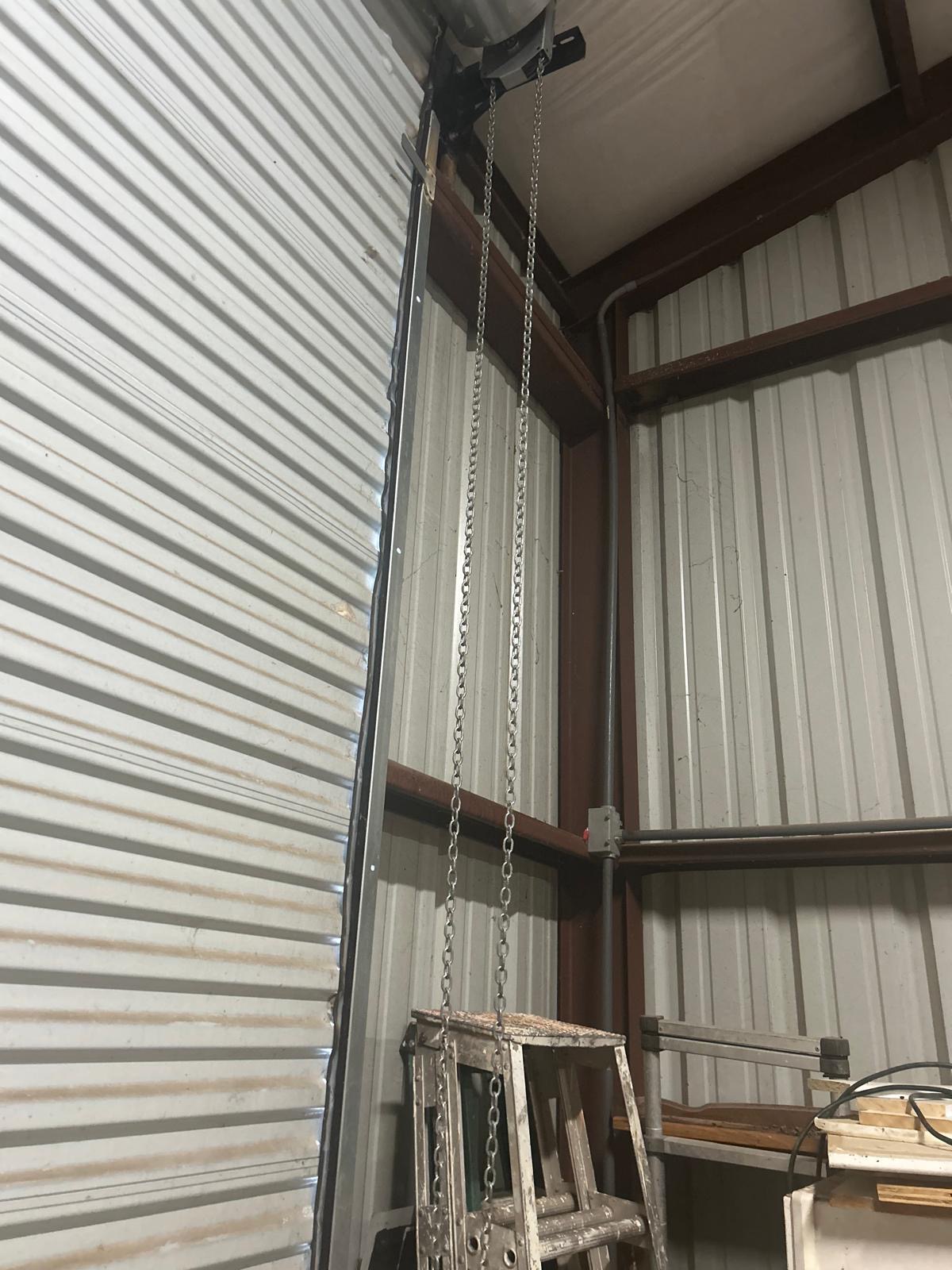
Standard chain-drive or belt-drive automatic garage door openers are mounted centrally along the ceiling, which can take up precious vertical inches in a low-headroom environment. To maintain an open, unobstructed ceiling space, these specialized track systems are ideally paired with a side-mount, wall-packaged operator, often called a jackshaft opener. A jackshaft unit mounts directly onto the wall to the immediate left or right of the garage door, connecting directly to the torsion shaft. This eliminates the traditional central ceiling rail entirely, freeing up overhead real estate and creating a clean, high-performance aesthetic.
Why Precision Component Calibration is Crucial
Because low-headroom systems operate within incredibly tight spatial margins, the alignment process leaves absolutely zero room for error. The specialized tracking requires meticulous leveling, and the cables must be wound with perfect asymmetrical tension to ensure the top panel doesn't bind against the header as it rolls over the initial curve. Relying on certified technicians ensures that the customized tracking brackets, low-profile top fixtures, and relocated spring assemblies are perfectly calibrated to deliver smooth, quiet, and reliable operation without putting extra stress on your electric motor.